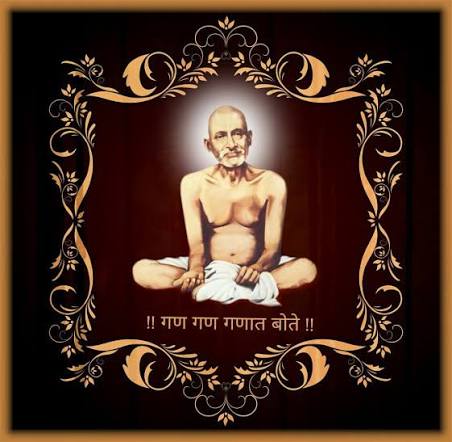
A revered village connected to the tradition of Shri Gajanan Maharaj
A peaceful home for devotees at the foot of Brahmagiri, where the holy Godavari is born and Lord Trimbakeshwar grants darshan.
Nestled in the Nashik district of Maharashtra, at the base of the majestic Brahmagiri hill, the ancient town of Trimbakeshwar is one of the most revered pilgrimage destinations in all of Bharat. Here stands the sacred Trimbakeshwar Jyotirlinga, one of the twelve holy Jyotirlingas of Lord Shiva, drawing millions of devotees every year who come seeking blessings, peace, and liberation. For those who journey to this timeless kshetra, the Shri Gajanan Maharaj Sansthan Trimbakeshwar Bhakta Niwas offers a warm, clean, and affordable place to rest, so that the sacred visit becomes a truly serene and unhurried spiritual experience.
Lovingly known among the faithful as the Gajanan ashram Trimbakeshwar or the Gajanan Maharaj math Trimbakeshwar, this Bhakta Niwas carries forward the compassionate spirit of Shri Gajanan Maharaj of Shegaon — the saint whose life was devoted to the service and upliftment of all who came to him. Just as the Maharaj welcomed every devotee with love and simplicity, the Bhakta Niwas here has been established with the singular purpose of serving pilgrims: to offer a safe roof, a restful night, and a spirit of seva that lets you focus wholly on your darshan and prayers.
Trimbakeshwar is not merely a place on a map; it is a living presence. The air itself feels charged with the chanting of mantras, the fragrance of sandalwood and incense drifts through the narrow lanes, and the constant murmur of pilgrims reciting "Om Namah Shivaya" creates an atmosphere that quietens the restless mind. When you stay at the Shri Gajanan Maharaj Sansthan Trimbakeshwar Bhakta Niwas, you become part of this eternal rhythm — waking early for the morning darshan, bathing in the sacred waters of the Kushavarta Kund, and returning to a comfortable room where you can rest your body and lift your heart in devotion.
Whether you are travelling as a family, with elderly parents, in a large group of devotees, or on a solitary pilgrimage of faith, the Bhakta Niwas strives to make your stay smooth and worry-free. This page will help you understand the significance of Trimbakeshwar, what to expect at the Bhakta Niwas, how to reach the town, and how to plan your darshan and the important poojas for which Trimbakeshwar is renowned across the world.
One of the twelve Jyotirlingas, the birthplace of the Godavari, and home to the unique three-faced linga of the Tridev.
Trimbakeshwar holds an exalted place among the sacred geography of Hinduism, for it is counted among the twelve Jyotirlingas — the twelve self-manifested, luminous forms of Lord Shiva that are worshipped across the Indian subcontinent. Each Jyotirlinga is believed to be a place where Lord Shiva revealed himself as a column of infinite light, and pilgrims traditionally aspire to visit all twelve during their lifetime as an act of supreme devotion. Trimbakeshwar, along with kshetras such as Somnath, Mahakaleshwar, Kashi Vishwanath, and Bhimashankar, forms part of this most sacred circuit. To have darshan of the Trimbakeshwar Jyotirlinga is regarded as a rare blessing that purifies the soul and washes away the accumulated karma of many lifetimes.
What makes Trimbakeshwar distinct from every other Jyotirlinga is the extraordinary nature of the linga itself. The name "Trimbakeshwar" itself is derived from "Tri-ambak," meaning the three-eyed lord. Within the sanctum, the linga reveals three tiny faces representing the holy trinity — Lord Brahma the creator, Lord Vishnu the preserver, and Lord Shiva the transformer. This rare form of the Tridev, all three great deities present in a single sacred emblem, is found nowhere else. Over time, the linga has become worn and is often adorned with a jewelled crown of gold, studded with precious gems, which is traditionally displayed during certain darshan hours. Devotees gaze upon these three faces with awe, understanding that they stand before the very source of creation, sustenance, and dissolution.
Trimbakeshwar is also cherished as the origin of the mighty river Godavari, the second longest river in India, often lovingly called the "Ganga of the South" or Dakshin Ganga. According to sacred tradition, the great sage Gautama Rishi performed intense penance upon the slopes of Brahmagiri, praying that the holy Ganga descend to earth to absolve him of a sin committed unknowingly. Pleased by his devotion, Lord Shiva granted the boon, and the sacred waters emerged upon Brahmagiri, flowing down to become the Godavari. The waters first collect in the revered Kushavarta Kund, from where the river begins its long journey across the Deccan plateau. To bathe in these waters is considered profoundly auspicious, cleansing both body and spirit.
Trimbakeshwar is deeply woven into the fabric of the Warkari and Nath spiritual traditions of Maharashtra. It was upon the sacred Brahmagiri hill that Sant Nivruttinath — the elder brother and guru of the beloved Sant Dnyaneshwar — received spiritual initiation into the Nath sampradaya from Gahininath. The Nivruttinath Temple at the foot of Brahmagiri remains a cherished place of pilgrimage, and the entire region resonates with the devotional legacy of these great saints. This confluence of Shaivite, Vaishnavite, and Nath traditions makes Trimbakeshwar one of the most spiritually significant meeting points in the whole of Maharashtra, a place where many streams of bhakti flow together like the many rivulets that form the Godavari.
"त्र्यम्बकं यजामहे सुगन्धिं पुष्टिवर्धनम्" — In this holy land of the three-eyed lord, every prayer finds its way to the feet of Mahadev.
Clean, comfortable rooms and heartfelt seva, so your pilgrimage stays peaceful from arrival to departure.

The gajanan maharaj bhakt niwas Trimbakeshwar offers a range of accommodation designed to suit the needs of every pilgrim, whether you are travelling alone, as a couple, with your family, or in a larger group. Rooms are available in both comfortable air-conditioned (AC) and economical non-AC categories, so that you may choose according to your comfort and budget.
Cleanliness is treated as a form of worship at the Bhakta Niwas. The rooms, corridors, and common areas are cleaned regularly so that devotees who have travelled long distances can arrive to a tidy and welcoming space. The atmosphere is calm and prayerful, free from the noise and rush of ordinary lodges, allowing you to rest deeply and prepare your mind for darshan. For elderly pilgrims and families with young children, this quiet and orderly environment makes a great difference to the overall experience of the yatra.
Planning your stay is simple and convenient. The Gajanan Maharaj Sansthan Trimbakeshwar online room booking process is designed to be quick and hassle-free, so that you can secure your accommodation well before you set out on your journey. Trimbakeshwar bhakta niwas online booking can be arranged directly through WhatsApp or by telephone with the Sansthan, where the seva team will guide you through the available room types, dates, and check-in details. We warmly encourage devotees to reserve their rooms in advance, especially during weekends, Mondays, the holy month of Shravan, and major festivals, when Trimbakeshwar receives very large numbers of visitors.
Many devotees ask about the gajanan maharaj bhakt niwas Trimbakeshwar room price. Tariffs vary according to the room type you choose — AC or Non-AC, standard or family — and the current rates and availability are best confirmed at the time of booking, so that you receive the most accurate and up-to-date information. Please refer to the Room Price List provided on this website for the latest details, and confirm the applicable charges with the Sansthan when you make your reservation.
If you would like to see Shri Gajanan Maharaj Sansthan Trimbakeshwar photos of the rooms before you decide, current pictures of the available room types can be shared with you on WhatsApp at the time of booking. This helps you choose the accommodation that best suits your family and gives you complete confidence and clarity before you travel. To begin your reservation, simply reach out through our contact page or explore the full details on our accommodation page.
Approximate temple timings to help you plan a peaceful and unhurried darshan.
Having darshan at the Trimbakeshwar temple is a deeply moving experience. The temple, built in the beautiful Nagara style of architecture from black basalt stone, stands as a masterpiece of devotion and craftsmanship. As you enter the sacred precinct and approach the sanctum, the sight of the three-faced linga fills the heart with reverence. The daily rituals — the abhishek, the aarti, and the offering of bilva leaves and sacred water — are performed with age-old precision, and to witness them is to feel connected to a tradition stretching back thousands of years.
To help you plan your visit, the approximate temple timings are given below. Please note that these timings are approximate and may change on special occasions, festival days, and during peak pilgrimage seasons. We kindly advise you to confirm the exact timings with the temple or with the Sansthan at the time of your booking.
| Occasion | Approximate Timing |
|---|---|
| Temple Opens (Morning) | Around 5:30 AM (approx.) |
| Morning Aarti & Abhishek | Early morning hours (approx.) |
| General Darshan (Day) | Through the day (approx.) |
| Evening Aarti | Evening hours (approx.) |
| Temple Closes (Night) | Around 9:00 PM (approx.) |
Monday is considered especially sacred to Lord Shiva, and Trimbakeshwar draws exceptionally large crowds on this day of the week. The holy month of Shravan (usually falling around July–August) is the most auspicious period of the entire year, when the town overflows with devotees who come to offer prayers, perform abhishek, and undertake special vows. During Shravan Mondays, a revered palanquin procession of the deity is traditionally taken out, and the entire atmosphere is charged with festivity and devotion. If you plan to visit on a Monday or during Shravan, we strongly recommend arriving early and booking your accommodation well in advance, as demand for rooms is at its highest during these times. To make the most of your visit, you may also wish to read our Trimbakeshwar darshan guide for helpful tips on darshan queues and timings.
Trimbakeshwar is world-renowned for these powerful poojas, performed by authorised priests.
Beyond its glory as a Jyotirlinga, Trimbakeshwar is celebrated across India as the foremost place for performing certain important poojas and ancestral rituals. Devotees travel from every corner of the country, and indeed from abroad, specifically to have these sacred ceremonies performed here, for it is believed that these rituals attain their fullest power and completeness when carried out in this holy kshetra.
The Narayan Nagbali is one of the most well-known rituals of Trimbakeshwar. It is actually a combination of two distinct ceremonies. The Narayan Bali is performed to grant peace to ancestral souls whose desires may have remained unfulfilled, while the Nagbali is performed to seek forgiveness and relief, traditionally associated with the sin of harming a serpent, which is considered highly inauspicious. Families undertake this three-day ritual seeking the removal of obstacles, harmony in the household, and the blessings of their ancestors.
The Kaal Sarp Shanti is a widely sought-after pooja performed to reduce the influence of the Kaal Sarp Dosha, an astrological condition believed by many to create difficulties and delays in life. Devotees who have been advised of this dosha in their horoscope come to Trimbakeshwar to have the shanti pooja performed, praying for relief, prosperity, and a smoother path ahead.
The Tripindi Shraddha is a special ancestral rite performed for the peace of departed souls across three generations, particularly when the customary annual shraddha ceremonies may have been missed. It is undertaken to bring peace to the ancestors and to invite their continued blessings upon the family.
These ceremonies are traditionally performed by authorised and knowledgeable priests of Trimbakeshwar, who conduct the rituals with proper procedure and the correct recitation of mantras. Because these poojas often span multiple days and are governed by specific auspicious dates and astrological considerations, we strongly advise devotees to plan their dates well ahead of time and to make suitable arrangements for their stay. Booking your room at the Bhakta Niwas in advance ensures that you have a comfortable and restful base for the duration of these important ceremonies. When you reserve your accommodation, the Sansthan seva team can help guide you on planning your visit around the ritual schedule.
Complete your pilgrimage by visiting these deeply revered places nearby.
The heart of your pilgrimage — the ancient temple housing the unique three-faced linga of the Tridev, one of the twelve holy Jyotirlingas of Lord Shiva.
The sacred water tank considered the true origin of the river Godavari. A holy dip here is believed to cleanse the soul; it is central to many rituals.
The mighty hill from which the Godavari springs. Its steps lead pilgrims upward on a spiritually rewarding trek amid breathtaking natural beauty.
The revered shrine of Sant Nivruttinath, elder brother and guru of Sant Dnyaneshwar, at the base of Brahmagiri — a cherished Warkari and Nath site.
Believed to be the birthplace of Lord Hanuman, this scenic hill near Trimbakeshwar is a favourite for devotees and nature lovers alike.
Along the Brahmagiri route lie serene shrines and ashrams where the Godavari is worshipped, offering quiet moments of prayer and reflection.
Together, these sites make Trimbakeshwar a complete pilgrimage in itself. Many devotees dedicate a full day to darshan and the Kushavarta bath, and a second day to visiting Brahmagiri, the Nivruttinath Temple, and Anjaneri. Staying at the gajanan ashram Trimbakeshwar Bhakta Niwas allows you the ease of a nearby, restful base from which to explore all of these sacred places at an unhurried and peaceful pace.
Well connected by road, rail, and air, with convenient parking near the temple.
Trimbakeshwar is well connected and easy to reach from all major cities of Maharashtra and beyond. It lies approximately 28 km from Nashik, which serves as the main gateway to the town. Please note that all distances mentioned here are approximate and may vary slightly depending on your exact starting point and the route taken.
The most convenient railway station for reaching Trimbakeshwar is Nashik Road railway station, which is well connected to major cities across India. From the station, buses and taxis are readily available for the onward journey to Trimbakeshwar. For air travellers, Nashik has an airport with limited connectivity, while the larger international airports at Mumbai and Pune serve as the main gateways, from where the road journey can be completed comfortably. By road, state transport buses and private vehicles ply regularly, and the drive through the Sahyadri landscape is scenic and pleasant. For detailed guidance on the best routes and connections, please see our how to reach page.
For devotees arriving by their own vehicle, parking is available near the Trimbakeshwar temple. Designated parking areas are provided within a convenient distance of the temple, from where it is a short walk to the sanctum. During busy periods such as Mondays, Shravan, and festival days, the town becomes very crowded, so we advise arriving early to find parking near Trimbakeshwar temple with ease and to enjoy a more relaxed darshan. The narrow lanes of the old town are best explored on foot, and leaving your vehicle in the parking area allows you to move about comfortably.
Thoughtful guidance for families, elderly devotees, and large groups.
Travelling with children requires a little extra planning. Carry water, some light snacks, and any medicines your little ones may need, as the queues can be long during peak hours. Choosing a room at the Bhakta Niwas close to the temple means shorter walks and a comfortable place to return to for rest between darshan and sightseeing. Early morning darshan, when the town is calmer and cooler, is often the most pleasant time to visit with young ones.
The elderly deserve special care on any pilgrimage. Comfortable, ground-accessible accommodation, unhurried timings, and rest breaks make all the difference. The steps at Brahmagiri and the crowds at the temple can be tiring, so plan darshan during quieter hours where possible, and keep a companion close by. Please carry any regular medication and keep yourself well hydrated, especially during the warmer months.
Groups of devotees travelling together are warmly welcomed. When booking, do inform the Sansthan of the number of persons and rooms required so that suitable arrangements can be made. Booking well in advance is essential for larger groups, particularly during weekends, Shravan, and festival seasons. Coordinating your darshan and pooja timings as a group also helps everyone stay together and makes the visit smoother for all.
Come with faith; return with peace in your heart.
A pilgrimage to Trimbakeshwar is far more than a journey across distance — it is a journey inward, toward the stillness and grace that live at the heart of all devotion. To stand before the three-faced linga, to bathe in the sacred waters that become the Godavari, and to walk the slopes where great saints once meditated, is to touch something timeless and eternal. The Shri Gajanan Maharaj Sansthan Trimbakeshwar Bhakta Niwas exists simply to serve you on this sacred path, so that the practical cares of travel never distract from the joy of your darshan.
In the spirit of Shri Gajanan Maharaj, who saw the divine in every soul and served all with boundless love, we welcome you with folded hands. May Lord Trimbakeshwar bless you and your family with health, harmony, and unwavering devotion. May your stay be restful, your darshan fulfilling, and your heart forever lighter for having visited this holy land. We look forward to serving you at the Bhakta Niwas — reserve your room today through our contact page, and let your pilgrimage begin in peace.
॥ ॐ नमः शिवाय ॥ — May the grace of Lord Trimbakeshwar and the blessings of Shri Gajanan Maharaj be with you always.
Accommodation and darshan facilities for devotees visiting Adgaon can be arranged through the Sansthan. Please contact us on WhatsApp or by phone for current availability.
Adgaon is near Shegaon in Buldhana district. Shegaon is the nearest railway station and transport hub, from where local transport is available.
Planning a longer yatra? Shri Gajanan Maharaj Sansthan also welcomes devotees at these sacred centres.
The principal seat — the Sanjeevan Samadhi of Shri Gajanan Maharaj
Bhakt Niwas & dharamshala near the Omkareshwar Jyotirlinga
Gajanan Maharaj Bhakt Niwas near Lord Vitthal, Pandharpur
Bhakta Niwas near the Trimbakeshwar Jyotirlinga and source of the Godavari
Gajanan Maharaj Bhakt Niwas in the sacred town of Sant Dnyaneshwar
A sacred place associated with the leelas of Shri Gajanan Maharaj
Reserve your stay in advance for a peaceful darshan. Our team is here to help you 24×7.